
Durian is a large fruit that has a strong and heavy odor, if smelling for the first time, you probably cannot stand it, but it is extremely rich in nutrients, such as vitamin C, vitamin B, minerals, healthy fats, fiber, and some other beneficial plant compounds. Durian is often grown in many countries in Southeast Asia, typically Vietnam. Eating durian can provide certain health benefits.
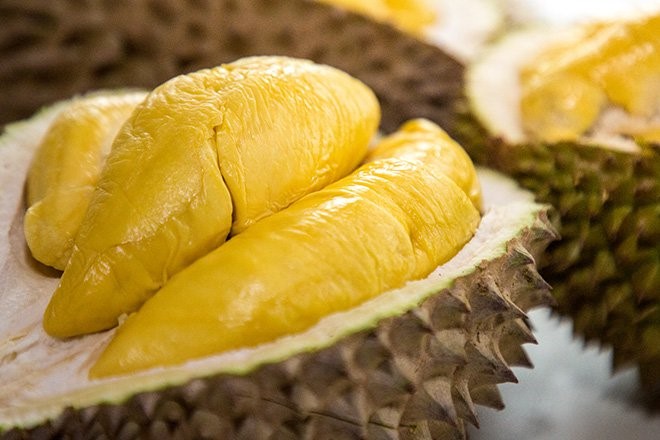
- What is durian fruit?
Durian is known as a tropical fruit, native to Southeast Asia, known as the “king of fruits”. Although the taste of durian is quite heavy and strong, it contains more nutrients than most other fruits.
Durian is usually large in size, has a hard outer shell and is covered with many spines. Durian comes in many varieties, the most popular being the Durio zibethinus.
The fruit can be up to 30cm long and about 15cm wide, weighing 1-3 kg. The durian flesh is pale yellow or red. The taste of this fruit can bring about different reactions in each person, from “irritability” to “addiction”.
Durian is widely used in many tropical regions around the world, especially in Southeast Asia such as Vietnam, Thailand, Malaysia and Indonesia.
- The nutritional value of durian
Durian is a very nutritious fruit rich in vitamins and fiber, along with healthy plant compounds. In 243 grams of durian will provide:
- Calories: 357
- Fiber: 9 grams
- Carb: 66 grams
- Fat: 13 grams
- Protein: 4 grams
- Vitamin B6: 38% of the DV (daily nutritional value)
- Vitamin C: 80% of the DV
- Thiamine: 61% of the DV
- Potassium: 30% of the DV
- Manganese: 39% of the DV
- Riboflavin: 29% of the DV
- Folate: 22% of the DV
- Niacin: 13% of the DV
- Copper: 25% of the DV
- Magnesium: 18% of the DV
Thanks to these nutritional ingredients, durian has become one of the most nutritious fruits in the world. Besides, it also contains beneficial plant compounds such as carotenoids, anthocyanins, polyphenols and flavonoids.
- How is durian used?
In Southeast Asian cuisine, durian is often selected for processing into sweet or savory dishes. Both the meat and the durian seeds are edible, but the seeds need to be cooked before use.
The taste of the durian is described as a blend of flavors like almond, garlic, cheese and caramel. Its smell is so strong that it is banned from entering some hotels and public transport systems in Southeast Asia.
Popular dishes from this fruit include:
- Soup
- Juice
- Durian seeds boiled or roasted
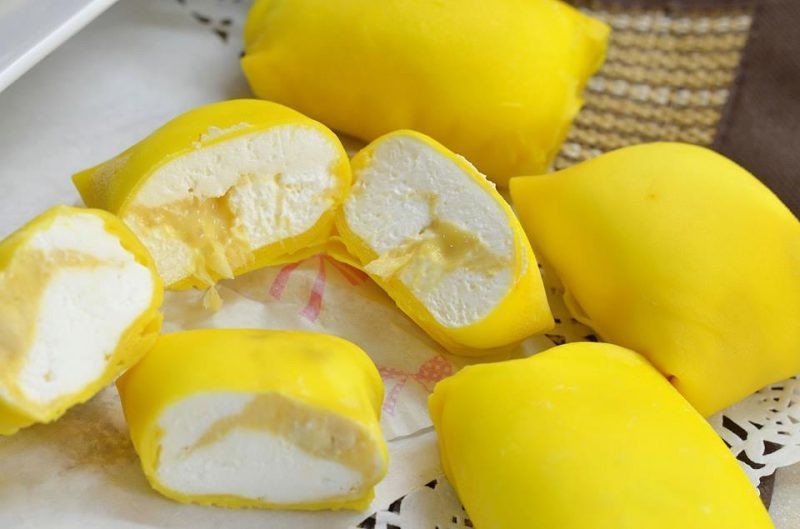
- Ice cream, candy or other desserts
In addition, durian is also applied in traditional medicine and has some medicinal properties.
- The health benefits of durian
In the traditional Malaysian medicine, people have used all parts of the durian tree, including the roots, bark, leaves and fruits to be made into cures for a variety of diseases, such as jaundice. or a high fever.
Studies have shown that durian can provide several of the following health benefits:
- Prevent heart disease: plant compounds found in durian work to reduce cholesterol levels, prevent hardening of the arteries.
- Reduce risk of cancer: Durian contains many antioxidants. These substances have the ability to neutralize free radicals – the main cause of the formation and development of cancer cells in the body. Specifically, durian fruit extract can prevent breast cancer from spreading.
- Control blood sugar: The glycemic index (GI) of durian is lower than that of other tropical fruits. Therefore, durian consumption can help reduce blood sugar, which in turn prevents the risk of diabetes or heart disease.
- Prevent infection: Durian peel is a rich source of compounds with excellent anti-yeast and antibacterial properties.
- Some notes when eating durian
Scientists have shown that, when using durian in combination with drinking alcohol can cause a number of health problems. This is because durian contains compounds similar to sulfur that can prevent alcohol from being completely metabolized, which in turn causes blood alcohol levels to rise, causing conditions such as nausea, vomiting, etc. or heart palpitations. To ensure the safety of your health, you should avoid drinking alcohol and eating durian at the same time.
In addition, eating durian can also cause allergic reactions, stomach problems, diarrhea, or flatulence. Durian seeds can cause breathing problems for some people.
If you are in the process of losing weight, you should limit eating durian, because it contains 13 grams of fat and 357 calories can cause weight gain.
Safimex supplies high quality fresh durian and frozen durian for export with competitive price. Please feel free to contact us for more details of our durian products.
Lucy (Ms.)
Export Executive
Email: Sales2@safimex.com
Skype: gautrucluca | HP/WhatsApp: (+84) 396802832
SAFIMEX JOINT STOCK COMPANY
Head office: 216/20A Duong Ba Trac street, Ward 2, District 8, HCM City, Vietnam.
Sales office: 14, Street 8, Hiep Binh Chanh Ward, Thu Duc District, Hochiminh City, Vietnam.
