
Why should we get diet rich in vegetable nutrition? What are the health benefits of vegetables?
Fresh vegetables endowed with almost all of the nutritional principles that our body requires. The health benefits of vegetable nutrition are enormous. They are good source of vitamins, minerals, antioxidants and dietry fiber.
- Vegetables, like fruits, are low in calories and fats but contain good amounts of vitamins and minerals. All the Green-Yellow-Orange vegetables are rich sources of calcium, magnesium, potassium, iron, beta-carotene, vitamin B-complex, vitamin-C, vitamin-A, and vitamin K.
- As in fruits, vegetables too are home for many antioxidants. These health benefiting phyto-chemical compounds firstly; help protect the human body from oxidant stress, diseases, and cancers, and secondly; help the body develop the capacity to fight against these by boosting immunity.
- Additionally, vegetables are packed with soluble as well as insoluble dietary fiber known as non-starchpolysaccharides (NSP) such as cellulose, mucilage, hemi-cellulose, gums, pectin…etc. These substances absorb excess water in the colon, retain a good amount of moisture in the fecal matter, and help its smooth passage out of the body. Thus, sufficient fiber offers protection from conditions like chronic constipation, hemorrhoids, colon cancer, irritable bowel syndrome, and rectal fissures.
…Go for greens to help you stay fit and healthy!
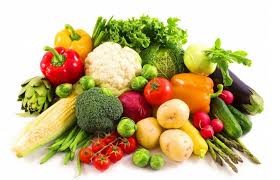
Vegetable nutrition has widely drawn the attention of fitness-conscious as well as food scientists alike for their proven health benefits. Majority of day-to-day used vegetables are very low in calories and saturated fats. Just for example, watercress and Celery hold just 11 and 16 calories per 100 g respectively. There is a long list of vegetables whose calorie is less than 20 per 100 g such as bottle gourd, bitter melon, cabbage, chinese cabbage, bok-choy, eggplant, endive, spinach, summer squash, swiss chard (silverbeet) , etc. Scientific studies have shown that these low-calorie but nutrient-rich foods help human body stay fit, and free from diseases.
Furthermore, human body spends a considerable amount of energy for the metabolism of foods, which is known as BMR or Basal metabolism rate. So just imagine…when you add lots of vegetable nutrition in your everyday diet, in fact, you set to lose more weight than you would gain…Right!..This is the concept behind the “negative calorie foods.”
How much vegetables should be in our daily diet?
Eat at least 5-7 servings of fresh vegetables every day. Federal dietary guidelines now recommends at least nine servings of vegetable nutrition and fruit nutritions per day. Seasonal vegetables should be encouraged. Bring variety in the choice of vegetables in your everyday diet. Yellow and orange color vegetables are rich in Vitamin-A, α, ß carotenes, zea-xanthins and crypto-xanthins, whereas dark-green vegetables are a good source of minerals and phenolic, flavonoid as well as anthocyanin anti-oxidants.
Jenny (Ms.)
—————————————————————————-
SAFIMEX JOINT STOCK COMPANY
Head office: 216/20A Duong Ba Trac street, Ward 2, District 8, HCM City
Mail: Sales1@safimex.com | Gmail: mytrangthanh5993@gmail.com
Skype: sales1.safimex | HP/WhatsApp: (+84)365713881|
Source: nutrition-and-you
