
Shiitake mushrooms, also known as nam hương, fragrant mushrooms or dong gu, are essential in many Asian recipes. They feature in broths, hot pots, stir-fries, sauces and fillings. However, a product labelled “shiitake” is not necessarily suitable for the same use as another.
A packet of dried mushrooms needs to be rehydrated, unlike a ready-to-eat product. And an instant “mushroom-flavoured” soup does not necessarily contain a large amount of shiitake. To avoid disappointment, there are three things to check before placing your order.

Pitfalls to avoid before buying
- Confusing shiitake flavouring with a genuine quantity of mushrooms
In instant noodles and sauces, the mushroom taste may come from a powder, an extract or simply a flavouring. Check the ingredients list and the quantitative declaration, where available. For example, some cup noodles state 3% shiitake, while others simply add mushroom powder to the seasoning.
That does not mean the product is poor quality: an instant soup is designed for convenience, whereas a packet of dried shiitake is intended for cooking a dish. The key is to compare products that meet the same need.
- Choosing a large format without considering how much you use
A 1 kg pack of shiitake mushrooms may be a good choice for a family that regularly prepares soups, stir-fries or vegetarian dishes. However, it may lose quality if it is left poorly sealed at the back of a damp cupboard. For occasional use, a packet of 80 to 200 g will generally be easier to store.
Bulk packaging is mainly aimed at restaurant owners, Asian-cooking enthusiasts and households that cook in large quantities or freeze their prepared dishes.
- Forgetting about salt, allergens and storage conditions
Depending on the recipe, prepared products may contain soya, wheat, gluten, sesame, peanuts or crustaceans. Anyone with allergies should therefore check the label every time they buy, including for sauces and noodles.
Dried mushrooms should be stored in a dry, well-ventilated place. Frozen products must be kept at −18 °C or below and must never be refrozen after thawing. Once opened, a sauce should generally be stored in the fridge, in accordance with the instructions on the packaging.
Criteria to check to make the right choice
Dried mushrooms: origin, cut and rehydration
To prepare a soup, hot pot or sauce, choose a clear ingredient list, ideally limited to 100% dried shiitake mushrooms. The size and cut are also important:
- Sliced mushrooms rehydrate quickly and are ideal for stir-fries and noodles;
- Whole mushrooms provide more bite in broths and hot pots;
- The stems can be removed if they are too tough.
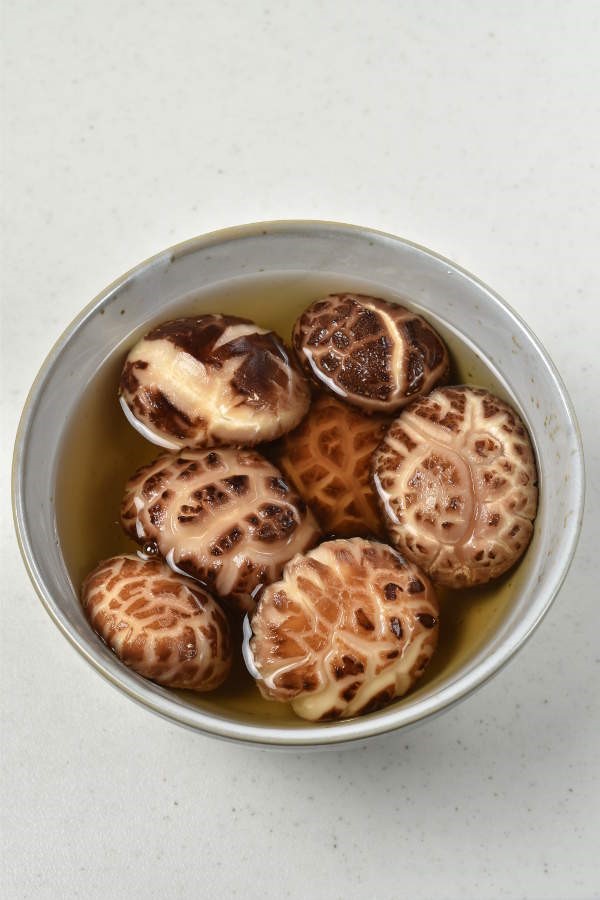
You will generally need 20 to 30 minutes in warm water to rehydrate them. After rinsing the mushrooms, you can strain the soaking water and add it to a broth to intensify the flavour.
Instant products: format, preparation time and ingredients
For a quick meal at work, in student accommodation or while travelling, check how much water is needed and how long the product takes to prepare. For example, the Jin Mai Lang product requires 550 ml of water and three minutes of cooking, with several separate seasoning sachets. A Bai Xiang cup is prepared with boiling water and requires four to five minutes of standing time.
The nutritional information per 100 g is also worth checking. Convenient as they are, instant noodles can contain more than 4 g of salt per 100 g. You can add fresh vegetables, tofu or an egg, depending on your usual diet.
Sauces and ready-to-eat products: versatility and portion sizes
A shiitake mushroom sauce can add flavour to rice, noodles, dumplings or stir-fried vegetables. Compare the mushroom percentage, any soya and gluten content, and the amount of salt. Once the jar has been opened, follow the recommended refrigeration and consumption instructions.
For snacking, shiitake crisps and spicy tofu are ready to eat. Their texture and level of seasoning can vary considerably: if you plan to serve them regularly, keep an eye on their oil, sugar and salt content.
Ideas for cooking shiitake
Soup and broth: rehydrate the shiitake, strain the soaking water and add it to a noodle soup, vegetarian broth or hot pot.
Stir-fry: fry the slices with tofu, vegetables and soya sauce, then serve with rice.
Shiitake mushroom sauce: use a ready-made sauce with noodles, dumplings or steamed vegetables.
Quick meal: add fresh vegetables to mushroom-flavoured instant noodles for extra crunch and a variety of textures.
Pre-dinner nibbles: mushroom snacks can be enjoyed as they are. Even so, remember to check their salt and fat content.
Contact SAFIMEX today to discover our range of Vietnamese dried shiitake mushrooms and explore long-term partnership opportunities built on quality, consistency, and trust.
For product specifications, packaging, wholesale quantities, and export inquiries, please contact us at info@safimex.com or visit to our Alibaba’s website.
Source: Joy buy
SAFIMEX JOINT STOCK COMPANY
Head Office: 216/20a Duong Ba Trac Street, Ward 2, District 8, Hochiminh City, Vietnam.
Tel: (+84)-(28)-3636 2388 | (+84)-(28)-3636 2399 | Website: https://safimex.com/
