
Does pepper need any introduction? Native to India, specifically the tropical southwest region now known as the Malabar Coast, this globally beloved fruit (yes, it’s a fruit!) gives au poivre sauce its nose-tingling heat, congee its belly-warming comfort, and cacio e pepe its robust bite. But because it’s so ubiquitous—it accounts for 20 percent of the entire world’s spice trade—it often gets taken for granted.
Each type of pepper is worth celebrating and is so much more than salt’s defacto counterpart. Whether you’re reaching for green, white, or black peppercorns, this ingredient is incredibly complex, bursting with flavors that can range from bright and lemony to deeply nutty. When used with care, it can lend palate-awakening pops of texture and heat just as readily as it can meld into a cozy backdrop of savoriness. And once you know how to select the best type of peppercorn, you’ll never look at a pepper shaker the same way again.
Types of peppercorns
Different types of peppercorns—green, black, and white—all start the same way, as a drupe, growing in clusters on a flowering vine of the plant Piper nigrum. That fruit, depending on how ripe it is when it’s harvested and how it’s processed, is what becomes the three types you’re most likely to come across in recipes.
Green peppercorns
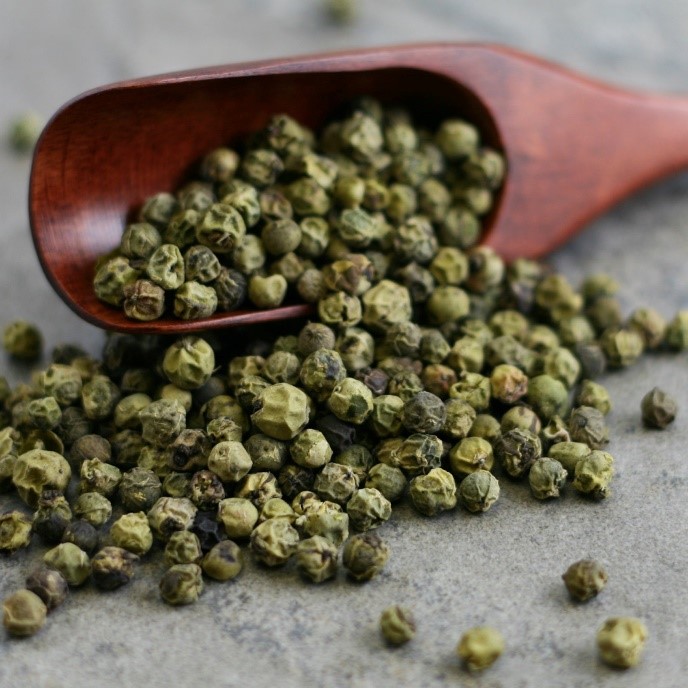
Green peppercorns are harvested before they’re fully ripe, then either freeze-dried to a crushable texture or brined, which renders them almost caper-like. Brighter, milder, and more vegetal than black pepper, it is commonly used in Thai curries and gives a classic French steak au poivre its briny bite. Use green pepper in recipes like this Porterhouse With Summer Au Poivre Sauce, where pickled green peppercorns give a softer punch than black and bring chewy pops of texture.
Black peppercorns
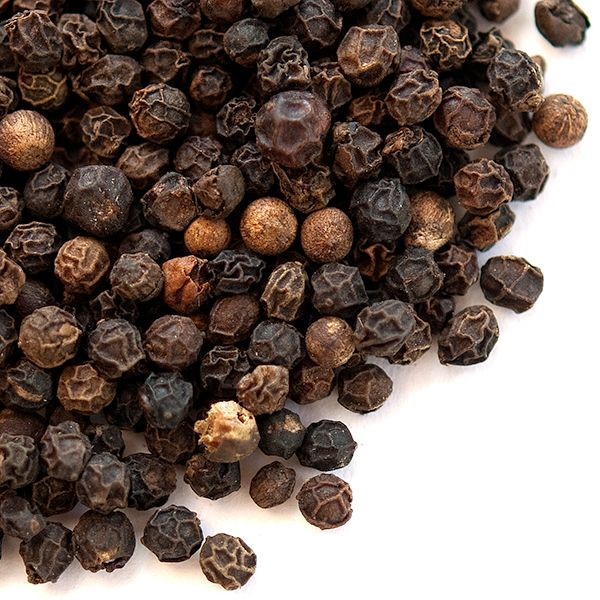
The ubiquitous black peppercorn is also picked before it has reached full maturity. Unlike its green counterpart, it’s then blanched in hot water before being dried, which gives it that wrinkly, crackly skin. Despite their name, black peppercorns can range in color from silvery gray to chocolate brown to deep maroon.
The flavor of the black peppercorns in your grinder has a lot to do with where they were grown and harvested, much in the same way that Chardonnay grapes from two different regions will yield distinctly different wines. And like wine, the distributors of high-quality pepper will often proudly tout its origins.
Indian pepper from Malabar and Tellicherry, where it has been cultivated for millenia, tends to be sweet and fruity, with bright citrusy notes. Sarawak peppercorns from Malaysia lean more earthy and mild. Cambodian Kampot peppercorns can have a resiny, more astringent aroma like eucalyptus or menthol.
While it may be a bit more expensive than the generic pepper available in most grocery stores, we’re of the opinion that ethically sourced single-origin black pepper is worth the splurge. And be sure to spring for whole peppercorns; they retain their flavor much better than anything pre-ground.
White peppercorns

White peppercorns are the fully mature fruits that are soaked, lightly fermented, processed to remove their dark skins, and then dried. They can range in color from beige to creamy to off-white. And they have a distinctive, sometimes polarizing flavor profile—funky, earthy, almost a little pine-like. Use them to add a gentle warming quality to Chinese salt-and-pepper shrimp, soups, mashed potatoes, béchamel sauce, and more.
What about pink peppercorn and sichuan peppercorn?
While pink and Sichuan peppercorns often get lumped together, neither of them are true peppercorns. Pink pepper, which provides rosy color and fruity heat to dishes like this Date and Pink Peppercorn Pasta, aren’t related to Piper nigrum pepper plant at all. They instead come from three different plants: The Baies rose plant from Madagascar; Schinus terebinthifolia, a Brazilian pepper tree; and a Peruvian shrub, Schinus molle that’s more closely related to mangoes and cashews. And Sichuan pepper, known for its numbing, mouth-tingling heat, is signature to dishes from the Sichuan region in China, like Mapo Tofu and Spicy and Sour Stir-Fried Potatoes. But the “peppercorn” is actually the husk of dried berries from the prickly ash tree, which is a member of the citrus family—also unrelated to black, green, and white peppercorns.
Safimex company has supplying dried green peppercorn with a good price for bulk order. If you are interested in this product, please feel free to contact us at info@safimex.com or click at https://www.alibaba.com/product-detail/DRIED-GREEN-PEPPERCORN-FOOD-GRADE-FOR_10000015724914.html?spm=a2747.product_manager.0.0.26762c3cQdjbrM
Source: Bon appetit
SAFIMEX JOINT STOCK COMPANY
Head Office: 216/20a Duong Ba Trac Street, Ward 2, District 8, Hochiminh City, Vietnam.
Tel: (+84)-(28)-3636 2388 | (+84)-(28)-3636 2399 | Website: https://safimex.com/
