
Switching to grass straws is a green trend for many cafes looking to reduce plastic waste while maintaining a complete beverage experience for customers. From flavor and feel to operating costs, each type of straw has its own advantages and disadvantages. With experience providing biodegradable straws solutions for many F&B models, Safimex shares detailed differences between fresh and dried grass straws, helping you choose the type that best suits your cafe’s style.
What are grass straws? Why are they suitable for eco-friendly cafes?
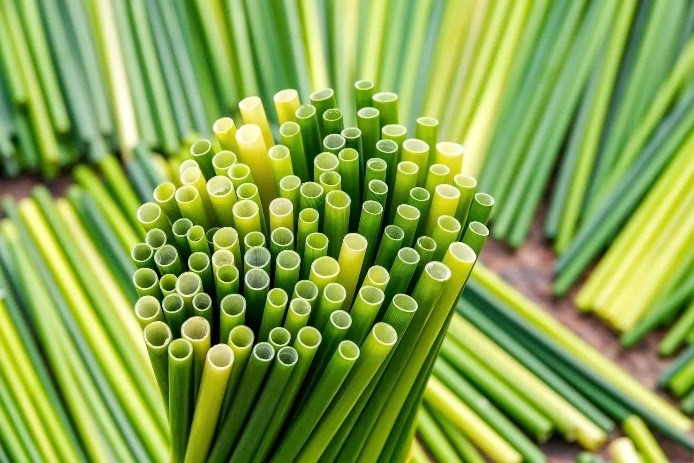
Grass straws are made from the natural stems of Lepironia Articulata, without chemical treatment, and are biodegradable and more environmentally friendly than plastic straws. For cafes that position themselves as “green” or are interested in sustainability, this is a choice that helps to synchronize their brand image. Cafe owners can learn more about the concept and characteristics of grass grass straws to build a consistent brand story. Using grass grass straws in cafes also creates a positive impression on young customers who love eco-friendly lifestyles and is easy to promote on social media.
They are safer for health due to reduced exposure to chemicals from plastic, especially when used with hot drinks.
They reduce non-biodegradable waste, supporting the goal of reducing single-use plastics for many coffee brands.
They enhance the emotional value for customers, giving the coffee a “story,” making it easy to check in and share.
Comparing Fresh and Dried Grass Straws
When choosing between fresh and dried grass straws for a coffee shop, owners often wonder about durability, feel, cost, and storage. Both types of straws are environmentally friendly but are suitable for different needs and scales of operation. Understanding the differences helps you build a stable service process, minimizing the risk of damage, clogging, or waste.
- Moisture & Texture: Fresh grass straws retain their natural moisture and are softer; dried grass straws are harder, lighter, and last longer.
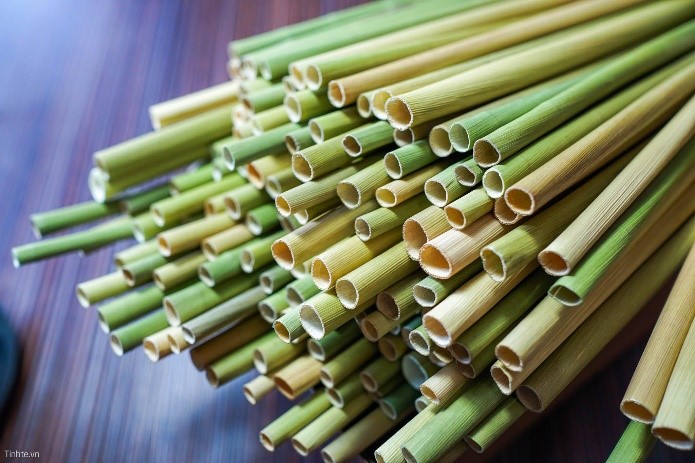
- Color & Aesthetics: Fresh ones are usually light green or yellowish-green, looking “fresher”; dried ones are straw yellow, looking rustic and vintage.
- Durability in the glass: Dried grass straws generally maintain their shape better over time, especially with cold drinks and lots of ice
- Weight & Shipping: Dried straws are lighter, more compact, and suitable for long-distance shipping; Fresh produce requires better storage conditions to prevent spoilage.
Advantages and Disadvantages of Fresh Grass Straws for Coffee Shops
Fresh grass straws are often preferred in coffee shops that prioritize a natural, intimate experience and want customers to clearly feel the “green” in each drink. However, to operate smoothly, the shop needs to understand the advantages and disadvantages of this type of straw, especially when there is a high volume of customers or a menu with many different drinks.
Advantages:
- Creates a fresh, natural feel, very suitable for juices, fruit teas, and cold brews.
- The green straw makes the drink stand out, suitable for photography, and increases brand recognition as a “green coffee shop”.
- The soft drinking feel, less “lip rubbing”, easily creates a positive impression for customers experiencing biodegradable straws for the first time.
Disadvantages:
- Shorter shelf life, requires a suitable inventory turnover to avoid excess stock.
- Sensitive to storage conditions; if humid or hot, it is prone to mold or reduced quality.
- Not suitable for establishments with limited storage space or those that frequently turn air conditioning on and off erratically.
Advantages and Disadvantages of Dried Grass Straws for Takeaway Models
Dried grass straws are a popular choice for cafes that focus on takeaway service, app-based delivery, or chain models requiring large quantities. Thanks to their long shelf life and minimal impact from environmental conditions, these straws help cafes control costs and reduce the risk of spoilage.
Advantages:
- Longer shelf life, suitable for warehousing, and bulk purchases optimize pricing.
- They maintain their shape well in iced drinks, suitable for cold beverages, iced coffee, and milk tea.
- Convenient for packaging and long-distance delivery, suitable for cafes with fast delivery services.
Disadvantages:
- They feel slightly harder than fresh grass straws, which may initially feel different for some sensitive customers.
- The natural yellow color of the dried straws is not as “fresh” as green straws, so good coordination with the overall design of the cup and the cafe’s concept is necessary.
- It is necessary to choose a supplier that handles processing and drying according to proper standards to avoid the pipes becoming brittle and prone to cracking.
Criteria for Choosing the Right Grass Straws for Your Coffee Shop
To choose between fresh and dried grass straws, shop owners should base their decision on their business model, brand style, and inventory management capabilities. By matching the right type of straw to the beverage menu and service process, you can enhance the customer experience while effectively controlling costs. Below are some practical criteria to help you make the optimal decision.
- Shop Style & Positioning:
- Green, nature-inspired coffee shops with lots of plants – prioritize fresh grass straws for a consistent image.
- Takeaway shops focusing on speed and volume – dried grass straws are more stable and economical.
- Customer Traffic & Ordering Frequency:
- Consistent traffic with regular ordering plans: fresh straws are suitable.
- Fluctuating, unpredictable traffic: dried straws should be chosen to reduce the risk of spoilage.
- Warehouse & Storage Conditions:
- A dry, cool, and low-humidity warehouse is available: both fresh and dried straws can be used.
- Hot, humid, and poorly controlled storage: dry grass straws are preferred.
- Branding & Marketing:
- If you frequently take product photos and create social media content, you can combine both types for different beverage lines.
Safe and Hygienic Storage and Use Procedures for Grass Straws
Whether using fresh or dried grass straws, cafes still need to follow standard storage and usage procedures to ensure hygiene and customer satisfaction. In fact, many cafes complain that straws easily become moldy, cracked, or clogged… largely due to improper storage and handling. You can refer to the grass straw storage checklist in your cafe’s warehouse to train bar staff more conveniently. Below is a suggested simple procedure that is easy to apply for bar staff.
Storage:
- Store straws in a dry, cool place, away from direct sunlight and moisture.
- Use airtight containers or large zip bags to limit dust and insects.
- For fresh grass straws, use the first-in, first-out (FIFO) principle.
Preparation before serving:
- Quickly check the surface of the straws, discarding any that are cracked, moldy, or discolored.
- You can quickly rinse the straws with clean water before peak hours if the cafe’s procedures allow.
During service:
- Choose the appropriate straw diameter for the type of beverage (iced coffee, smoothies, bubble tea with toppings, etc.).
- Briefly explain to first-time customers using biodegradable straws made from grass grass to reassure them
As a supplier, we typically provide advice based on data regarding customer volume, the proportion of takeaway drinks, and the storage capacity of each business model. If you are looking for a reliable and stable source of Grass straws, please feel free to contact us at: info@safimex.com or click at: https://www.alibaba.com/product-detail/Eco-friendly-Biodegradable-Disposable-Grass-Straw_10000041687748.html?spm=a27gk.ggs-spa.0.0.1a21Wsr3Wsr3Ad
SAFIMEX JOINT STOCK COMPANY
Head Office: 216/20a Duong Ba Trac Street, Ward 2, District 8, Hochiminh City, Vietnam.
Tel: (+84)-(28)-3636 2388 | (+84)-(28)-3636 2399| Web: Www.Safimex.Com
