
How to Prepare Tofu
Many people wonder how to prepare tofu. Standing face-to-face with a whitish block of tofu can seem daunting. You know it is good for you, and that it is a great source of healthy protein. However, what do you do with it?
The answer to the question of how to prepare tofu is complex in its simplicity: any way you want.
The fact that tofu is so bland on its own is one of its best qualities as an ingredient. That’s because tofu can be prepared in a number of ways, from sweet to savory, to take on the flavor and character of whatever dish you are cooking.
What Is Tofu?
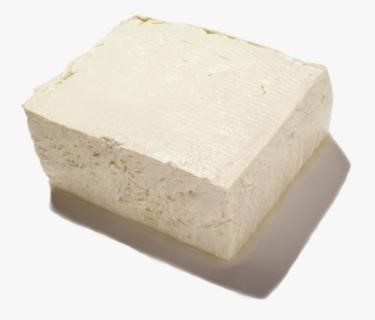
Tofu is made from coagulating soy milk and pressing the curds into blocks, much like the process of making cheese from milk. There are many varieties of tofu. It is important to learn how to choose the best kind.
Learning How to Prepare Tofu for Savory Dishes
Learning how to prepare tofu is not complicated. You just need to follow these simple steps.
Step 1: Choose the Right Tofu For Your Dish
There are several types of tofu. Select from the types below, depending on the dish you are making.
- Silken tofu: This type of tofu lives up to its advertising. It is very silky and smooth. Because of this, silken tofu makes a great base for creamy dishes like soups, dips, smoothies and puddings.
- Soft tofu: This type of tofu usually comes packed in water. It crumbles easily and as such, it is great for use in things like tofu burgersor as a replacement for ricotta cheese in pasta dishes.
- Firm tofu: This type of tofu comes either packed in water or aseptic packaging. Because it holds its shape very well, it is great in recipes where it is cubed or sliced – like in a stir-fry or marinated and grilled.
- Baked tofu: Some stores offer tofu that has been marinated and baked. Its texture is very dense and chewy, but it can be crumbled. This type of tofu is good as a meat substitute in casseroles and sandwiches.
Step 2: Get the Water Out
If the tofu you use comes water-packed, then you will need to press it to get out the water. Performing this step improves the texture of the tofu and makes it more receptive to soaking up spices and marinades.
- Remove the tofu from the water one to two hours before cooking or marinating.
- Slice the tofu into three or four slices lengthwise across the block.
- Cover a plate or baking sheet with several layers of paper towels, and lay the slices on the plate. Don’t stack them.
- Place several more layers of paper towels on top of the tofu, and then put another plate on top of that.
- Put something heavy, like books or a brick, on top of the plate and set the tofu aside for one to two hours. The paper towels will absorb the moisture as it is pressed out of the tofu.
Step 3: Precook the Tofu
This step further firms up the tofu so that it will hold its shape. It is as easy as sauteing or toasting the pressed blocks of tofu just until there is a little firmness to the skin.
Step 4: Cut It Into Manageable Pieces
Once the skin has firmed up, you can cut the tofu up into whatever you feel will best incorporate into your dish. This can be cubes, slices or crumbles.
Step 5: Add Flavor
Make a tasty marinade or spice rub, depending on the dish you are making. For instance, if you are making a stir fry, you might want to marinade in garlic, rice vinegar, soy sauce, sesame oil and ginger, or you may want to use lime juice and chipotle for a Mexican dish. Marinate, covered, in the refrigerator for one to 24 hours.
Step 6: Cook the Tofu
You can fry it, grill it, or bake it. It’s up to you.
Step 7: Add It to the Finished Dish
Mix the tofu in with your dish. You can toss it into a soup, or add it in at the end of a stir fry.
What Is Tofu
With all the jokes and rhetoric about tofu, you may be left asking, “What is tofu, anyway?” You’re not the only one asking this question. Even though tofu has been around for thousands of years, it’s a bit of a mystery food to many of us. So let’s take a closer look at what it is and why it’s good for you.
What Is Tofu Made From?
First let’s answer the question, what is tofu made from? It’s not harvested from the tofu tree or tofu plant. In fact there is no such thing. However, it does come from the soy plant-actually soy (soya) beans to be exact. The process follows steps similar to the making of cheese, but without even a trace of dairy. Making tofu starts with crushing the soy beans and heating them. This separates the soy milk from the solids. The warm soy milk is stirred and a natural firming agent is added. Curds form and when ready they are poured into a press lined with cheese cloth to remove excess liquid. This forms the curd into a block of tofu which is also known as bean curd.
Incorporating Tofu into Sweet Dishes, Sauces and Dressings
The easiest way to incorporate tofu into all of these types of dishes is to blend it in a blender or food processor with other ingredients. There is no need to cook the tofu in these cases – just blend it right in with your other flavors.
It may seem daunting, but preparing tofu doesn’t need to be. Learning to prepare tofu opens you up to a completely new world of healthy eating choices.
Why People Tend to Shy Away from Tofu
If you’ve tried tofu and found it bland and uninteresting, you’re not alone. The truth is, it is rather tasteless on its own. Some have likened it to eating egg whites without salt. Actually, that’s a good comparison because not many people eat egg whites without some kind of seasoning, and the same should go for tofu, also.
Another reason people tend to shy away from eating tofu is the spongy texture. It is definitely different than anything else you’ll try. However, that texture is one of the things that makes it such a versatile ingredient.
Learning to Cook Tofu
Tofu has an extraordinary ability to absorb flavors from the foods it is cooked with. That’s why it makes an excellent addition to stir fry dishes, but it can do so much more. It’s worth the effort to learn how to cook tofu so that it becomes something to look forward to. Check out recipes that introduce you to a variety of ways to prepare and serve tofu including:
- Baked
- Broiled
- Deep fried
- Desserts
- Dips
- Marinated
- Pan fried
- Soups
- Stewed
- Scrambled
Why Tofu Is Good for You
While it’s easy to poke fun at tofu, when it comes to nutrition, tofu is no laughing matter. It offers a complete source of protein to vegetarians, vegans and people who cannot tolerate dairy products. Other benefits from a nutritional standpoint include:
- All eight essential amino acids
- Easy to digest
- Excellent source of iron
- Excellent source of Vitamin B
- Good source of calcium
- Low in calories
- Low in sodium
- No animal fats or cholesterol
How to Choose the Right Tofu
In recent years it’s become easier to find tofu in the larger grocery stores, as well as health food stores and Asian marketplaces. You’ll find it packaged in three varieties:
- Extra firm
- Firm
- Silken tofu
The first two varieties mentioned on the list are best for general cooking, while silken tofu is traditionally used in making creamy concoctions like dips, spreads and salad dressings.
You can often find small tubs of vacuum-packed tofu in the produce section of the supermarket. When it comes time to use it, drain the water it is packed in, rinse the tofu in cold water and blot it dry. It is then ready for slicing, dicing, marinating or whatever else you have planned.
If your recipe doesn’t require the entire block of tofu, it is best stored in water in the refrigerator. Change the water daily to keep the tofu fresh and it will be good for about one week. If you don’t plan to use it that soon, tofu can also be frozen. However, freezing does give it a tougher texture and darker color.
The next time someone asks, “What is tofu?” You can tell them it’s a nutritious and versatile food rich in protein, calcium, all eight amino acids… Better yet, whip up a savory main dish or a dessert like tofu cheesecake and let them try it for themselves. With a little creativity and know how, the real answer is: tofu is delicious!
How to Make Raw Tofu
Teaching yourself how to make raw tofu can be surprisingly beneficial for a number of reasons. If you’re in it for health purposes, you can enjoy a variety of fresh, new dishes regularly. If a friend or family member is a tofu devotee, you can surprise the person with a home-prepared meal.
Tofu Primer
Before making it, it’s important to understand a bit more about tofu than just the mere fact that it’s a wobbly, white block. Tofu is a fragile food made from soybean milk curds. It is recognized for its nutritious qualities and is especially rich in protein. Though it is a popular addition to Chinese meals, it is highly versatile and is regularly used in other cultural cuisines as well. Tofu is available in various varieties and textures, including firm, extra-firm and soft.
To Buy or To Make
Most tofu available at supermarkets and grocery stores has been heated. According to people who follow a raw food diet, this destroys vital and life-giving enzymes. Raw tofu, on the other hand, is made by curdling soymilk with salts, draining and pressing it. It can be time consuming. If you can find raw food tofu at the store, it may be easier and more economical to purchase it.
How to Make Raw Tofu
You can make raw tofu at home. Purchase raw soy milk at health food stores. The rest of the equipment and ingredients needed to make raw tofu may be found at the average grocery store, supermarket or health food store.
Ingredients
You don’t need much to learn how to make raw tofu on your own. It’s possible you already have some or most of these basic supplies on hand already. You’ll need:
- One gallon of raw soy milk
- Two teaspoons Epsom salts
- One pound weight (a bag of dried lentils, for example)
- One square yard cheesecloth
- Zippered sandwich bag
- Masking tape
- Mesh strainer
- Bowl
Making Raw Tofu
Place the Epsom salts into the gallon of soy milk and stir gently for a few minutes to ensure they are dissolved. Set the container aside for at least a half hour. Begin checking the soy milk after the first half hour. The Epson salts should curdle the soy milk. Once curds form, you are ready to make tofu. Place the cheese cloth over the bowl, and slowly pour the curdled soy milk onto the cheese cloth. Take the ends of the cheese cloth and pull them up to make a bag filled with liquid and curds. You can either begin squeezing the liquid out now, or use the masking tape to close the bag at the top to make it easier to handle.Now with gentle pressure, begin squeezing the bag. You must drain off as much liquid as possible. Continue squeezing until very little liquid comes out of the bag and you are left with a cheese cloth filled with soy milk curds. Place the firm curds into the mesh strainer and cover with another piece of cheese cloth. When you’re sure you’ve drained off as much liquid as possible, place the raw soy milk curds into the container to mold and shape it. Make sure you cover it tightly with a lid. Use raw soy milk tofu within a day or two and discard if it smells or looks at all questionable.
Should You Bother?
Unless you’re a huge fan of tofu, making raw soy milk tofu may not be worth the time and trouble. You can easily obtain your calcium and protein requirements from raw food sources, such as green leafy vegetables which are replete with calcium and vital minerals, or nuts and seeds, which are excellent sources of protein. Raw soy tofu, however, can be the perfect base for delectable raw chocolate mouse, raw food cheesecake, and other scrumptious raw, vegan desserts.
Cautions and Disclaimer
Excessive consumption of raw soybean proteins has been shown to be toxic in animals such as chickens (chicks) and rats. The Eden Foods website contains a fair and balanced look at soy and the various controversies surrounding it. Various websites report conflicting advice – eat raw soybeans, don’t eat raw soybeans. According to Dr.William Harris, M.D., raw soybeans contain compounds that can cause digestive upset. Most websites recommend cooking soybeans. The decision to eat raw soy or raw tofu is up to you, but eat it sparingly if at all.
Tofu Tips
Favor organic varieties of tofu for fresher, yummier results. Since tofu soaks up any flavor easily, experiment with your favorite spices or marinades for a meat-free meal option. Firm and extra-firm varieties can be used for sandwiches, burritos, tacos, soups, curries, chili and more. Before cooking it, you might also want to try freezing tofu to gain a spongier texture and consistency. This allows the spices and marinades to meld much more quickly, giving your tofu a more robust flavor profile.
Source: https://vegetarian.lovetoknow.com
Jenny (Ms.)
Export Executive
—————————————————————————-
SAFIMEX JOINT STOCK COMPANY
Head Office: 216/20A Duong Ba Trac Street, Ward 2, District 8, HoChiMinh City, Vietnam.
Tel: (+84)-(28)-3636 2388 | Fax: (+84)-(28)-3636 2399
Web: www.safimex.com
Mail: Sales1@safimex.com
Gmail: mytrangthanh5993@gmail.com
Skype: sales1.safimex
HP/Viber/WhatsApp: (+84)365713881
