
Walk through a community garden in Germany, a family backyard in the UK, or an organic farm in the Netherlands, and you may notice a small wooden house filled with short bamboo tubes. At first glance, it looks like a decorative garden accessory. In reality, it is one of the simplest yet most effective tools for supporting biodiversity: a bee hotel.
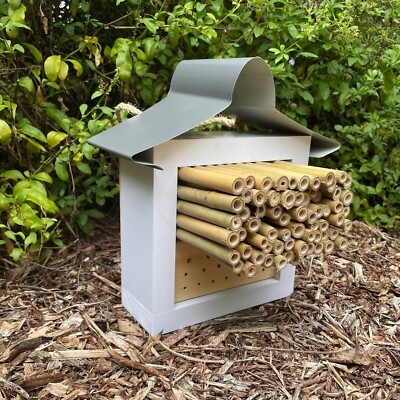
Over the past decade, bee hotels and insect hotels have become increasingly popular throughout Europe. They are now commonly found in schools, parks, botanical gardens, vineyards, and private gardens as people become more aware of the importance of protecting pollinators.
But what exactly are these bamboo tubes, and why are they so important?
What Is a Bee Hotel?
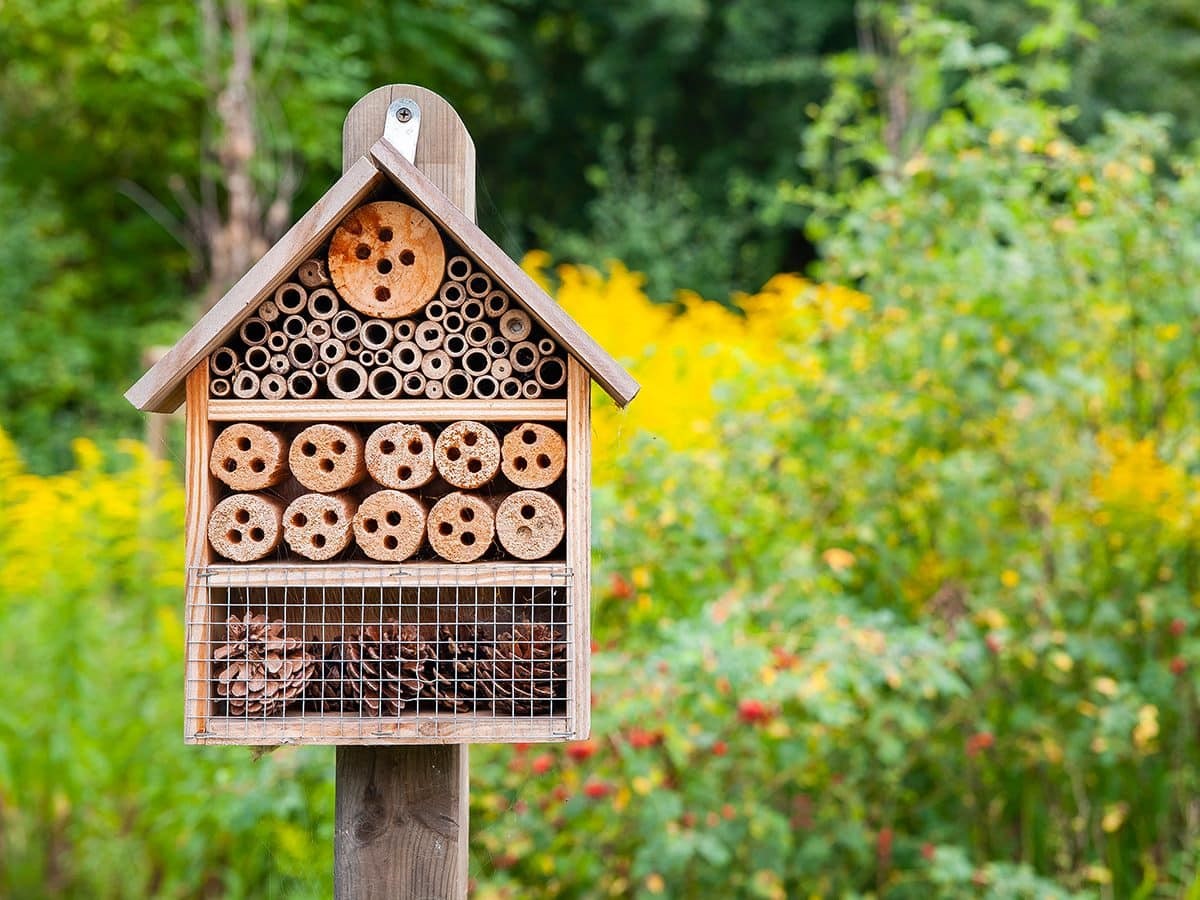
A bee hotel is an artificial nesting habitat designed for solitary bees—wild bee species that do not live in colonies like honey bees.
Unlike honey bees, solitary bees produce little or no honey. Instead, they play an essential role in pollinating flowers, fruit trees, vegetables, and many agricultural crops. In fact, many solitary bee species are considered even more efficient pollinators than honey bees because they collect pollen differently and visit a wider variety of flowers.
As urbanization and intensive agriculture reduce natural nesting sites, providing safe places for these bees to reproduce has become an increasingly important conservation effort.
Why Bamboo Tubes?
In nature, solitary bees naturally build their nests inside hollow plant stems, dead branches, or small cavities in wood.
Bamboo tubes closely mimic these natural habitats, making them one of the most preferred nesting materials.
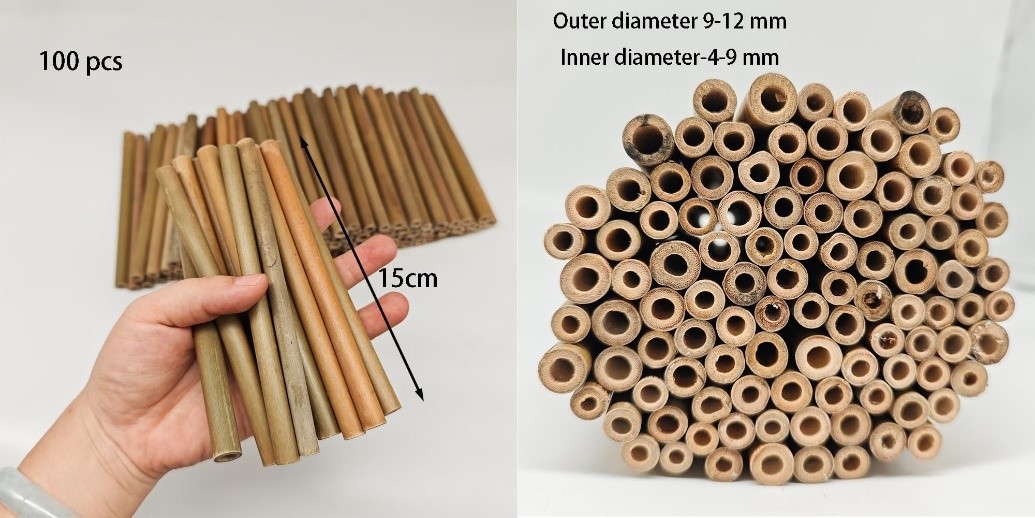
The ideal bamboo tubes generally have:
- A length of 10–15 cm (4–6 inches)
- An internal diameter between 3–10 mm
- One naturally closed end
- A smooth, clean interior without splinters
- No chemical treatments or strong odors
These dimensions have proven to provide enough space for bees to create multiple nesting chambers while maintaining good protection for developing larvae.
How Does a Solitary Bee Use a Bamboo Tube?
The nesting process is fascinating.
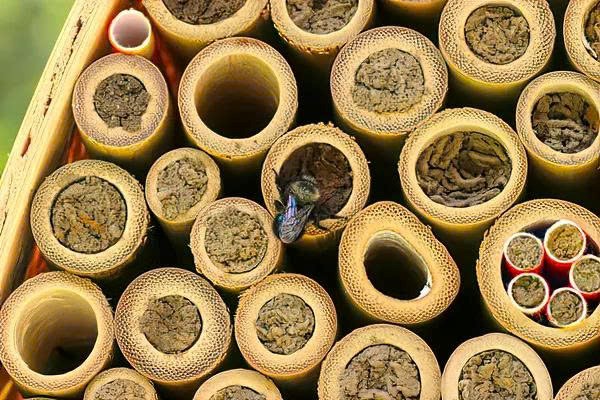
A female solitary bee first searches for a suitable bamboo tube. Once she finds one, she begins collecting pollen and nectar to create food for her offspring.
She lays one egg on the pollen mixture, then seals that chamber using mud, clay, or plant material. She repeats this process several times, building a series of individual chambers inside the tube.
Each chamber contains:
- One egg
- A supply of pollen and nectar
- A protective partition
The larvae develop safely inside throughout the seasons and emerge as adult bees the following spring.
One bamboo tube may successfully support several future pollinators.
Why Is Tube Length Important?
People often wonder why most bee hotel tubes are around 10–15 cm long instead of being much shorter or longer.
Research and practical experience suggest this size offers an excellent balance.
If the tube is too short, female bees produce fewer offspring because there is limited nesting space.
If the tube is excessively long, it becomes more difficult for bees to use efficiently, and moisture, parasites, or fungal growth may become greater concerns if the tubes are not maintained properly.
This is why the 10–15 cm length has become the preferred standard for many commercial bee hotels throughout Europe.
Bee Hotels Are More Than Garden Decorations
A bee hotel is not simply an attractive garden ornament.
It contributes to healthier ecosystems by:
- Supporting native pollinator populations
- Improving pollination for flowers, vegetables, and fruit trees
- Encouraging biodiversity in urban and rural landscapes
- Providing educational opportunities for children and schools
- Creating wildlife-friendly gardens without chemicals
Many European municipalities now encourage residents to install bee hotels as part of biodiversity initiatives and pollinator conservation programs.
Choosing Quality Bamboo Tubes Matters
Not every bamboo tube is suitable for nesting bees.
High-quality bee hotel tubes should feature:
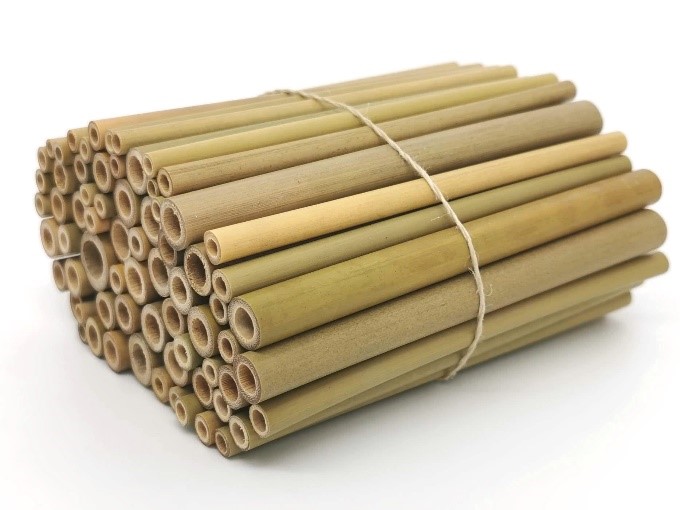
- Smooth inner walls that prevent wing damage
- Clean, accurately cut openings
- Natural bamboo with no toxic finishes
- Consistent internal diameters
- Proper drying to reduce cracking
- Strong, durable material suitable for outdoor environments
Poorly prepared tubes with rough edges, mold, or internal blockages are less attractive to bees and may even harm developing larvae.
Quality craftsmanship directly influences whether bees will choose the habitat.
Sustainability Begins with Natural Materials
As consumers increasingly seek environmentally responsible products, natural bamboo has become one of the preferred materials for bee hotels.
Bamboo is renewable, biodegradable, lightweight, and naturally durable. When responsibly sourced and carefully processed, it provides an excellent balance between sustainability and long-term performance.
For manufacturers, using high-quality bamboo also supports the growing demand for eco-friendly products that combine functionality with environmental stewardship.
Safimex: Supporting Sustainable Living Through Natural Bamboo Products
At Safimex, we believe that even simple natural materials can contribute to healthier ecosystems.
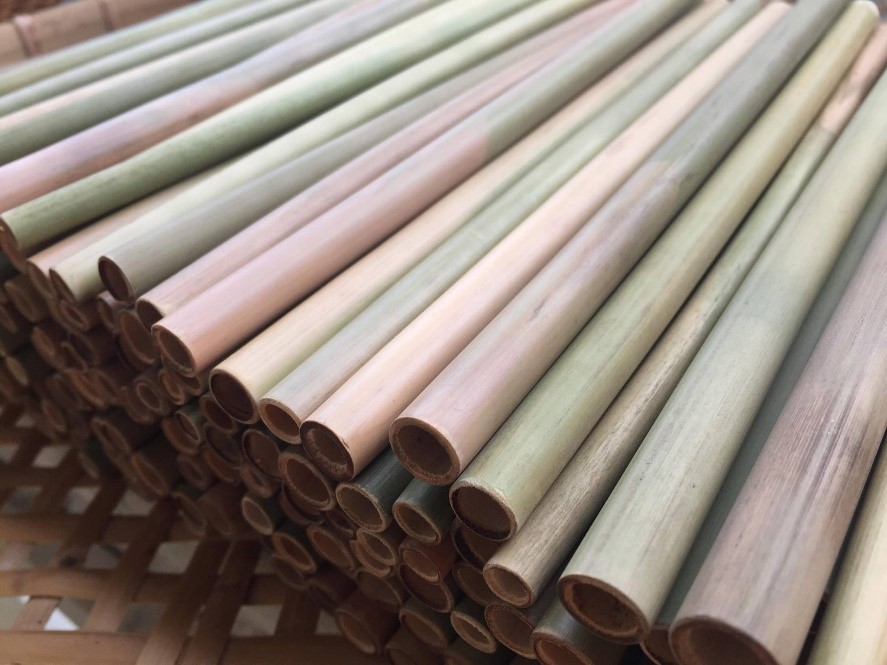
Our bamboo tubes are carefully selected and processed to meet the quality standards required for bee hotels, insect hotels, and other environmentally friendly applications. By combining responsible sourcing with precision manufacturing, we help customers create products that support biodiversity while embracing sustainable design.
Whether used by gardeners, schools, landscape designers, or conservation organizations, bamboo bee hotel tubes represent a small product with a meaningful environmental impact.
As more people choose nature-friendly gardens and sustainable lifestyles, these simple bamboo tubes continue to play an important role in protecting the pollinators our ecosystems depend on.
If you are interested in this product, please feel free to contact us at info@safimex.com or click at https://www.alibaba.com/product-detail/Sustainable-biodegradable-bamboo-straws-cheapest-price_10000016579021.html?spm=a2747.product_manager.0.0.78342c3cY70Woj
SAFIMEX JOINT STOCK COMPANY
Head Office: 216/20a Duong Ba Trac Street, Ward 2, District 8, Hochiminh City, Vietnam.
Tel: (+84)-(28)-3636 2388 | (+84)-(28)-3636 2399 | Website: https://safimex.com/
