
Noodles are a much-loved and used ingredient in Vietnam. Whether they are served up in soups, form the base of a salad or are wrapped up in a fresh gỏi cuốn, they are a staple enjoyed in Saigon and everywhere else in the country morning, noon and night.
However, to anyone new to the country, the sheer quantity and variety can be pretty overwhelming. To help ease the passage for the budding expat or bemused tourist, here’s a list of the different noodles in Vietnam and the dishes for which they are commonly used. Arguably, the two main types of noodles eaten by the Vietnamese are bánh phở and bún. Both are made from rice flour and are available dried or fresh.
Bánh Phở
These flat rice noodles can come in a variety of widths: the thinnest form the base of the country’s national dish, phở; the larger forms can also be used for dishes involving pan frying or stir-frying.
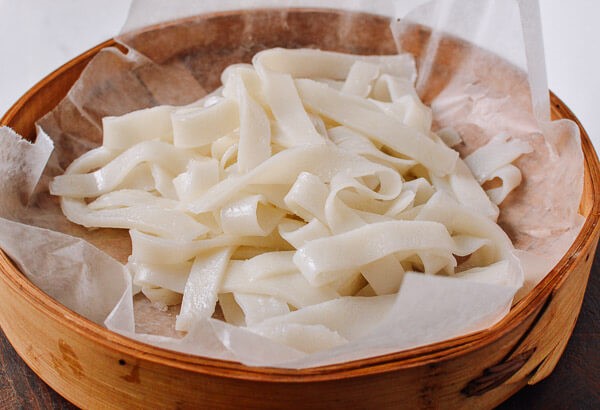
Phở is a hot noodle soup made with a beef broth, slices of rare beef and/or brisket, herbs and bánh phở. The broth is prepared over several days, giving it a depth of flavor like no other soup you can find. A popular, yet lighter variation of this dish is made with chicken rather than beef and is called phở gà.
These Vietnamese noodles are filling and are meant to be enjoyed as a full meal rather than as a snack.
Bún
These are a type of rice vermicelli noodle, which are thin, round and wonderfully versatile. The smaller and lighter bún variety are used as one of the fillings in gỏi cuốn – fresh spring rolls. To make these tasty midday snacks you roll up a few cold noodles with thin slices of pork, lettuce and a couple of prawns in a soft rice paper sheet. They are often served with a warm peanut sauce.
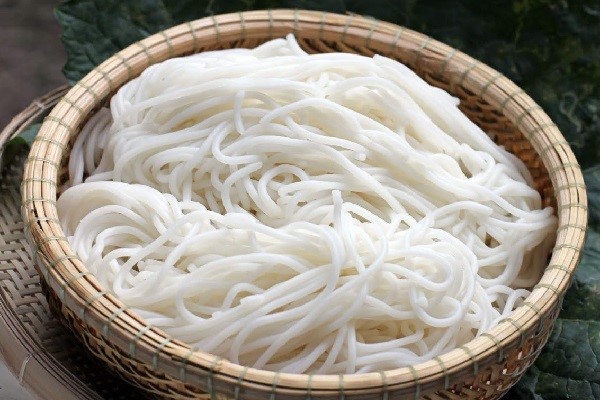
The larger and thicker forms of bún are used in hot and filling soups, such as the spicy and flavourful bún bò Huế soup – from the central region of Vietnam. The broth of this hearty dish is made with beef bones, fermented shrimp paste a fiery chili oil. It’s then accompanied with large chunks of meat, which the noodles wrap themselves around, creating a perfect texture partnership. Vietnam’s love for noodles doesn’t stop there, though. There are plenty more types to choose from. Some differ in ingredient – whether it’s egg and wheat, tapioca flour or mung bean – while others differ in size.
Bánh Hỏi
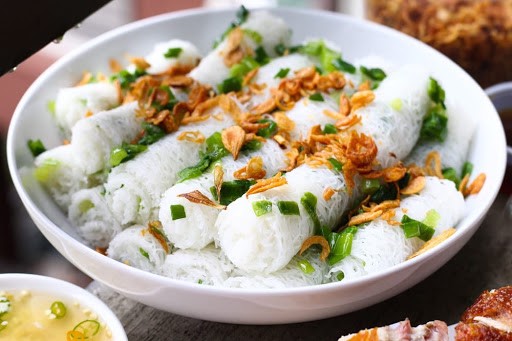
Bánh hỏi are another type of rice vermicelli noodle but are ultra-thin and woven into bundles. They are usually steamed and served alongside rich foods such as pork or beef, and topped with a drizzle of spring onion oil.
Bánh Canh
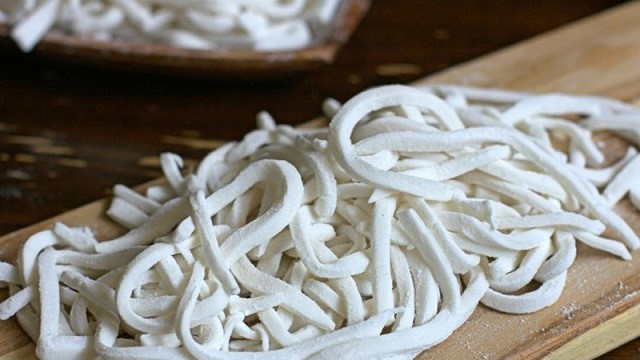
From the ultra-thin, to the uber huge. Bánh canh are very thick noodles made from a mixture of tapioca and rice flour. These are similar in appearance and texture to Japanese udon noodles – big, soft and slightly chewy. One Vietnamese noodle dish made with bánh canh is bánh canh cua – a rich, crab-based broth, packed with fresh crab meat, a crab meat ball, slices of pork, a quail’s egg, congealed blood and a juicy prawn.
Mì
This refers to egg or wheat noodles, which are thin and yellow in appearance. They can be fried, stir-fried or used in soups, such as the Chinese-inspired wonton soup. This Vietnamese noodle is made with a light, meaty broth, thin slices of pork, wontons and spring onion.
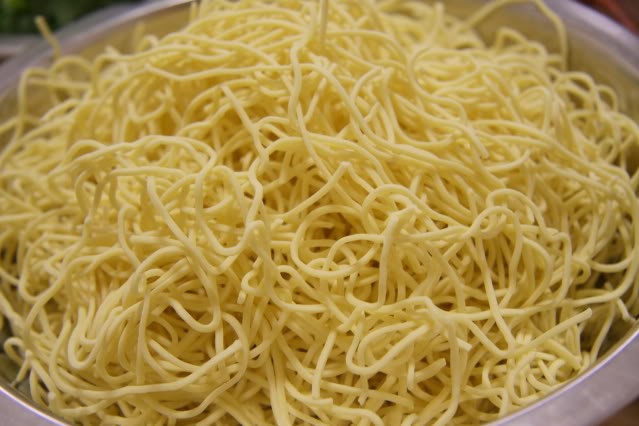
Mì should not be confused with mì quảng; however, which is a dish made using rice noodles that have instead been dyed yellow with turmeric.
Mì quảng is a popular meal enjoyed for lunch and is usually topped with Vietnamese sesame rice crackers, fried shallots and peanuts.
Miến
Miến are very thin and slippery glass noodles, made from mung beans. These Vietnamese noodles have a slightly chewy and almost elastic texture, which can make them rather difficult to eat with chopsticks, but don’t let that deter you. One meal eaten all throughout the day in Vietnam is called miến gà.
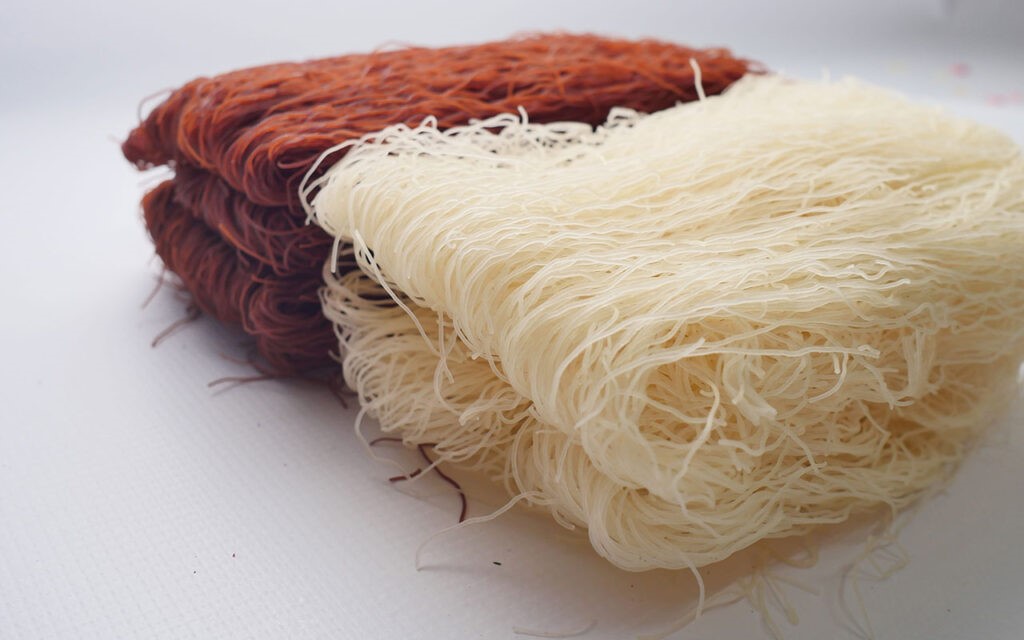
This soup is not dissimilar from phở gà, only the broth is lighter and is served with the miến noodles rather than bánh phở. It is served with boiled chicken, fresh herbs, leaves and a sweet chili dipping sauce.
Vea (Ms.)
Mobile/whatsapp: 84 333999402
Email/skype: sales5@safimex.com
SAFIMEX JOINT STOCK COMPANY
Head Office: 216/20a Duong Ba Trac Street, Ward 2, District 8, Hochiminh City, Vietnam.
Tel: (+84)-(28)-3636 2388 | (+84)-(28)-3636 2399| Web: Www.Safimex.Com
Source: citypassguide
