
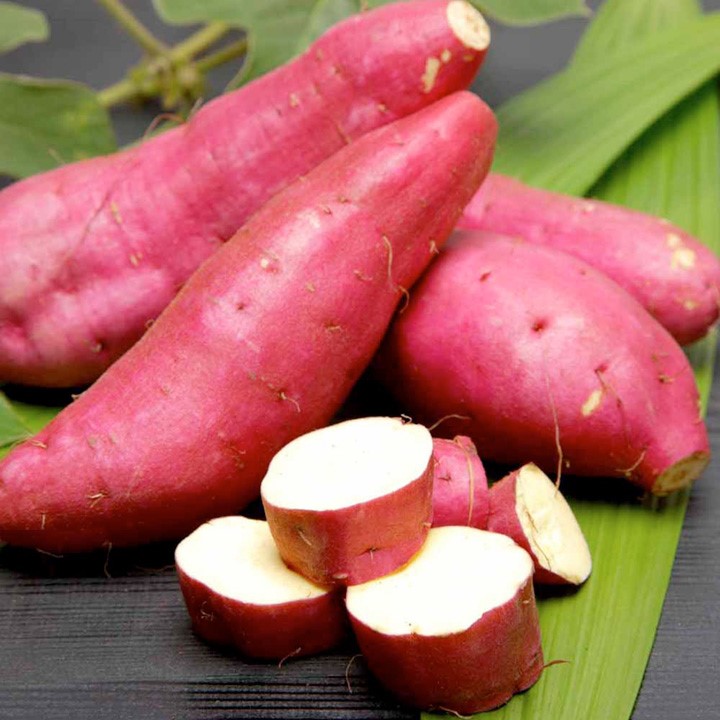
Sweet potatoes are underground root vegetable. It comes in different sizes and colors including: orange, white, purple, and yellow. Sweet potatoes are rich in vitamins and minerals, antioxidants and fiber. And it has many ways to process into dishes (boiled, grilled, steamed and fried).
Nutritional value in sweet potatoes
Sweet potatoes are an excellent source of fiber, vitamins and minerals. The nutritional profile of sweet potatoes in a 100g serving includes:
- Energy: 119 Kcal
- Protein: 0.8 g
- Lipid: 0.2 grams
- Glucid: 28.5 grams
- Fiber: 1.3 grams
- Vitamins: A, C, B …
- Minerals: Potassium, Manganese, Copper, Niacin, ..
In addition, orange and purple sweet potatoes are rich in antioxidants that protect the body against free radicals. Free radicals are unstable molecules that can damage DNA and trigger inflammation. Free radical damage is linked to chronic diseases such as cancer, heart disease and aging. Therefore, consuming foods rich in antioxidants will be very healthy.
2.1. Carbs
A medium-sized (boiled with skin) sweet potato contains about 27 grams of carbs. The main ingredient is starch, which accounts for 53% of the carbs content. Simple sugars, such as glucose, fructose, sucrose and maltose make up 32% of the carbs content.
Sweet potatoes have a moderate to high glycemic index, in the range of 44 – 96. The glycemic index is a measure of the rapidly increasing blood sugar concentration after a meal. Given the relatively high glycemic index of sweet potatoes, consuming a large amount in a diet for a person with type 2 diabetes is inappropriate. The preparation also changes the glycemic index of sweet potatoes. If processed by boiling, the glycemic index will be lower than the cooking method such as baking, frying and roasting.
2.2 Starch
Starches are generally divided into three categories based on how well they digest. The percentage of starch in sweet potatoes is divided as follows:
Fast-digesting starch (80%). This starch is quickly broken down and absorbed while increasing the glycemic index.
Slowly digested starch (9%). This type is broken down more slowly and this produces a smaller increase in blood sugar.
Starch resistance (11%). This type is eliminated by digestion and acts like fiber. It nourishes the good bacteria of the intestinal tract. The amount of resistant starch can be increased by cooling the sweet potato after cooking.
2.3. Fiber
Cooked sweet potatoes are high in fiber. A medium-sized sweet potato contains about 3.8 grams of fiber. Soluble fibers account for about 15 – 23% and are in the form of pectin. Insoluble fibers make up about 77 – 85% and are in the form of cellulose, hemicellulose, and lignin.
Soluble fibers, such as pectin, can increase satiety, decrease food intake and lower blood sugar by slowing the digestion of sugars and starches.
High amounts of insoluble fiber have been linked with health benefits, such as a reduced risk of diabetes and improved gut health.
2.4 Protein
A medium-sized sweet potato contains about 2 grams of protein. This is probably the downside of sweet potato because its protein content is quite low. However, sweet potatoes contain unique proteins, which make up about 85% of the total protein content. These proteins are produced to facilitate healing whenever the plant is destroyed by physical factors. Recent research has also demonstrated that this particular protein has antioxidant properties. Although sweet potatoes are low in protein, they are an important source of macronutrients.
2.5. Vitamins and minerals
Sweet potatoes are an extremely rich source of beta carotene, vitamin C and potassium.
Pre-vitamin A or beta carotene is found in sweet potatoes. This is the vitamin that the body can convert into the necessary vitamin A. Just 100 grams of sweet potatoes can provide the recommended amount of vitamin A.
Vitamin C: This is an antioxidant that can reduce the duration of common colds and improve skin health.
Potassium: This is important for blood pressure control, and this mineral may also reduce the risk of heart disease.
Vitamin B6: This vitamin plays an important role in the conversion of food into energy.
Manga: This trace mineral is important for growth, development, and metabolism.
Vitamin B5: Also known as pantothenic acid
Vitamin E: A fat-soluble antioxidant that can help combat the harmful effects of oxidation.
2.6. Some other compounds
Like other plants and plants, sweet potato also contains a number of substances that can affect health. These include:
Beta carotene: An antioxidant that the body can convert into vitamin A. This is also an oil-soluble vitamin, so adding fat in the meal with sweet potato will help increase absorption of this compound.
Chlorogenic acid: This is a polyphenol antioxidant compound found in sweet potato.
Anthocyanins: Purple sweet potatoes have a lot of these compounds and are also powerful antioxidants.
It should be noted that the antioxidant activity intensity of the compounds in sweet potatoes depends on the color of the potato. These potatoes such as purple, orange, and red have strong activity.
Lucy (Ms.)
Export Executive
Email: Sales2@safimex.com
Skype: gautrucluca | HP/WhatsApp: (+84) 396802832
SAFIMEX JOINT STOCK COMPANY
Head office: 216/20A Duong Ba Trac street, Ward 2, District 8, HCM City, Vietnam.
Sales office: 14, Street 8, Hiep Binh Chanh Ward, Thu Duc District, Hochiminh City, Vietnam.
