
The Benefits of Fish Meal in Aquaculture Diets
Fishmeal is recognized by nutritionists as a high-quality, very digestible feed ingredient that is favored for addition to the diet of most farm animals, especially fish and shrimp. Fishmeal carries large quantities of energy per unit weight and is an excellent source of protein, lipids (oils), minerals, and vitamins; there is very little carbohydrate in fishmeal.
What Is Fishmeal
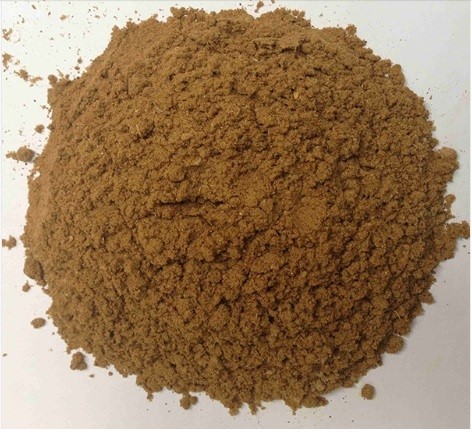
Fishmeal is a generic term for a nutrient-rich feed ingredient used primarily in diets for domestic animals, sometimes used as a high-quality organic fertilizer. Fishmeal can be made from almost any type of seafood but is generally manufactured from wild-caught, small marine fish that contain a high percentage of bones and oil, and usually deemed not suitable for direct human consumption. These fishes are considered ‘industrial’ since most of them are caught for the sole purpose of fishmeal and fish oil production. A small percentage of fishmeal is rendered from the by-catch of other fisheries, and by-products or trimmings created during processing (e.g., fish filleting and cannery operations) of various seafood products destined for direct human consumption.
The fishmeal and fish oil industries are one of the few major animal industries existing today that still relies greatly on a “hunting-and-gathering” technique. Most fish rendered into meal and oil are captured at sea. Millions of tons of fishmeal are produced worldwide. Contrary to recent popular beliefs, most fishmeal and oil are produced from sustainable, managed, and monitored fish stocks, reducing the possibility of over-fishing. The supply is presently stable at 6.0 to 6.5 million tons annually. Approximately 4 to 5 tons of whole fish are required to produce 1 ton of dry fishmeal.
Peru produces almost one-third of the total world fishmeal supply. Other principal fishmeal-producing countries are Chile, China, Thailand, U.S.A., Iceland, Norway, Denmark, and Japan (Table 1 ). Major groups of industrial fish rendered into fishmeal are anchovies, herrings, menhaden, sardines, shads, and smelts (Table 2 ).
Fish can be processed at sea in factory ships or caught and stored until they are transported to a processing facility on the coast. Fish is a highly perishable raw material, and spoilage will occur if it is not processed in a timely manner. Preservation using ice or refrigerated seawater is common.
Benefits of Fishmeal Incorporated into Fish Diets
- Most commercial fishmeal is made from small; bony; and oily fish that otherwise are not suitable for human consumption and some is manufactured from by-products of seafood processing industries.
- Addition of fishmeal to animal diets increases feed efficiency and growth through better food palatability; and enhances nutrient uptake, digestion, and absorption.
- The balanced amino acid composition of fishmeal complements and provides synergistic effects with other animal and vegetable proteins in the diet to promote fast growth and reduce feeding costs.
- Fishmeal of high quality provides a balanced amount of all essential amino acids; phospholipids; and fatty acids (e.g.,DHA or docosahexaenoic acid and EPA or eicosapentaenoic acid) for optimum development, growth, and reproduction; especially of larvae and brood stock. The nutrients in fishmeal also aid in disease resistance by boosting and helping to maintain a healthy functional immune system.
- High-quality fishmeal also allows for formulation of nutrient-dense diets; which promote optimal growth.
- Incorporation of fishmeal into diets of aquatic animals helps to reduce pollution from the wastewater effluent by providing greater nutrient digestibility.
- The incorporation of high-quality fishmeal into feed imparts a ‘natural or wholesome’ characteristic to the final product, such as that provided by wild fish.
Protein Quality of Fishmeal
High-quality fishmeal normally contains between 60% and 72% crude protein by weight. From a nutritional standpoint, fishmeal is the preferred animal protein supplement in the diets of farm animals and often the major source of protein in diets for fish and shrimp. Typical diets for fish may contain from 32% to 45% total protein by weight; and diets for shrimp may contain 25% to 42% total protein. The percentages of inclusion rate of fishmeal in diets for carp and tilapia may be from 5-7%, and up to 40% to 55% in trout, salmon, and some marine fishes. A typical inclusion rate of fishmeal in terrestrial livestock diets is usually 5% or less on a dry matter basis.
Any complete diet must contain some protein, but the nutritional value of the protein relates directly to its amino acid composition and digestibility. Proteins are made of amino acids, which are released for absorption into the blood following protein digestion. Animals have requirements for specific amino acids rather than protein. Fishmeal and any other feedstuff that contains protein can simply be thought of as a ‘vehicle’ for providing amino acids to the diet. Animals build proteins from combinations of about 22 amino acids.
However, animals cannot make all 22 of these amino acids in their body. Amino acids that cannot be synthesized by the animal; and therefore must be supplied in the diet, are classified as “essential”. Ten essential amino acids must be contained in the diet of fish: Arginine; Histidine; Isoleucine; Leucine; Lysine; Methionine; Phenylalanine; Threonine; Tryptophan; and Valine. Amino acids that can be synthesized by the animal are termed “nonessential” and do not have to be added to the diet. A protein that does not contain the proper amount of a required (essential) amino acid would be considered an imbalanced protein and would have a lower nutritional value. The amino acid present in the least amount relative to the animal’s requirement for that particular amino acid is referred to as the “limiting” amino acid.
The amino acid profile of fishmeal is what makes this feed ingredient so attractive as a protein supplement (Table 3 ). Proteins in cereal grains and other plant concentrates do not contain complete amino acid profiles and usually are deficient in the essential amino acids lysine and methionine. Soybean and other legume meals; which are widely used in the diets of most farm animals such as pigs and chickens; are a good source of lysine and tryptophan but are limiting in the sulfur-containing amino acids methionine and cystine. An animal’s requirement for a limiting amino acid can be met by simply adding more of the protein.
However, this would be very costly, and the excess nitrogen in the protein would deleteriously affect water quality. Excess nitrogen arising from the amino acids of proteins is excreted from the fish into the water in the form of ammonia. Ammonia is toxic to fish and must be removed from the water by filtration or water flushing.
The quality of different feedstuffs is greatly dependant on the amino acid profile in their proteins; digestibility of the proteins; freshness of the raw materials; and their storage. Plant-based proteins, even when properly processed, are usually not as digestible as fishmeal; and their inclusion rate into the diet is often limited as it results in depressed growth rates and feed intake. Over-all protein digestibility values for fishmeal are consistently above 95%. In comparison protein digestibility for many plant-based proteins varies greatly; for example, from 77% to 96%, depending on the species of plant.
The structural nature of plants is totally different from that of animals. Proteins isolated from plants are associated with indigestible non-structural carbohydrates (oligosaccharides) and structural fiber components (cellulose), which are not associated with animal proteins. It is the presence of these components which are thought to be contributing obstacles to efficient utilization of proteins in many economically plant-based feedstuffs.
The lack of nutritional inhibitors or anti-nutritional factors in fishmeal also makes this meal more attractive than plant proteins for use in aquaculture diets. Anti-nutritional factors are compounds that interfere with nutrient digestion, uptake, or metabolism and can also be toxic. For example, a naturally occurring anti-nutritional factor in uncooked soybeans is the Kunitz trypsin-inhibitor that prevents the enzyme trypsin from breaking down dietary proteins in the intestine of animals.
Lathyrogens in chickpeas also disrupt collagen formation. Collagen is the most abundant protein present in animals; making up most connective tissue and providing structural support. Thiaminases found in raw fish are known to destroy thiamine (vitamin B1); and the avidin in egg white binds biotin (another water-soluble vitamin of the B-complex). Gossypol is another anti-nutritional factor found in cottonseed meal/oil that is toxic to animals and lowers fertility in males.
Another very important reason why fishmeal is sought after as an ingredient in aquaculture diets is; because fishmeal contains certain compounds that make the feed more acceptable and agreeable to the taste (palatable). This property allows for the feed to be ingested rapidly; and will reduce nutrient leaching. It is thought the non-essential amino acid glutamic acid is one of the compounds that imparts to fishmeal its palatability.
Jenny (Ms.)
—————————————————————————-
SAFIMEX JOINT STOCK COMPANY
Head office: 216/20A Duong Ba Trac street, Ward 2, District 8, HCM City
Mail: Sales1@safimex.com | Gmail: mytrangthanh5993@gmail.com
Skype: sales1.safimex | HP/WhatsApp: (+84)365713881|
Source: aquaculturepro
